Epoxy Resin for Carbon Fiber: Real-World Success Stories in Industry Applications
The demand for lightweight and high-strength materials is propelling the composite materials market toward an estimated USD 130 billion valuation by 2026. At the core of this technological advancement is the use of epoxy resin for carbon fiber, a pivotal element in crafting superior composite structures. This article explores how different industries, such as aerospace, automotive, marine, wind energy, and medical sectors, leverage epoxy resin to solve unique challenges and achieve remarkable performance outcomes. Drawing on the extensive knowledge from Impact Materials Co., Ltd., a leading supplier headquartered in Hangzhou, China, we will review several case studies demonstrating its application in real-world settings. Having served clients in over 120 countries, Impact Materials provides tailored solutions that meet diverse industrial needs.
Key Insights
- Epoxy resin significantly enhances the tensile strength of carbon fiber, reaching up to 700 MPa.
- Prepreg carbon fiber sheets simplify manufacturing processes in the automotive industry.
- Vacuum bagging materials are vital for optimal resin distribution during molding.
- Choosing certified suppliers like Impact Materials is essential for quality assurance.
The Integral Role of Epoxy Resin in Carbon Fiber Composites
Epoxy Resin: The Chemical Backbone
Epoxy resins are formed by reacting an epoxide with a polyamine, creating a thermosetting polymer that becomes crucial in carbon fiber composites. Acting as the matrix, epoxy resin provides binding, structural integrity, and stress transfer capabilities. Its low viscosity ensures thorough wetting of carbon fibers, a critical factor in maximizing the performance of composite materials.
Unmatched Performance Features
Renowned for exceptional mechanical properties, epoxy resins offer tensile strengths up to 700 MPa. This makes them especially advantageous for applications in sectors like aerospace and automotive, where material endurance is paramount. Additionally, their high modulus of elasticity and thermal stability of up to 150°C enable their use in environments demanding robust structural support, such as wind turbine blades.
Industry-Specific Use Cases
In the aerospace sector, epoxy resin-reinforced carbon fiber is foundational in constructing components like fuselage and wing panels. In the automotive field, it provides structural support for car body panels, promoting lightweight designs and enhanced fuel efficiency.
Exploring Industry Applications of Epoxy Resin in Carbon Fiber
Aerospace: Advancing Flight Technologies
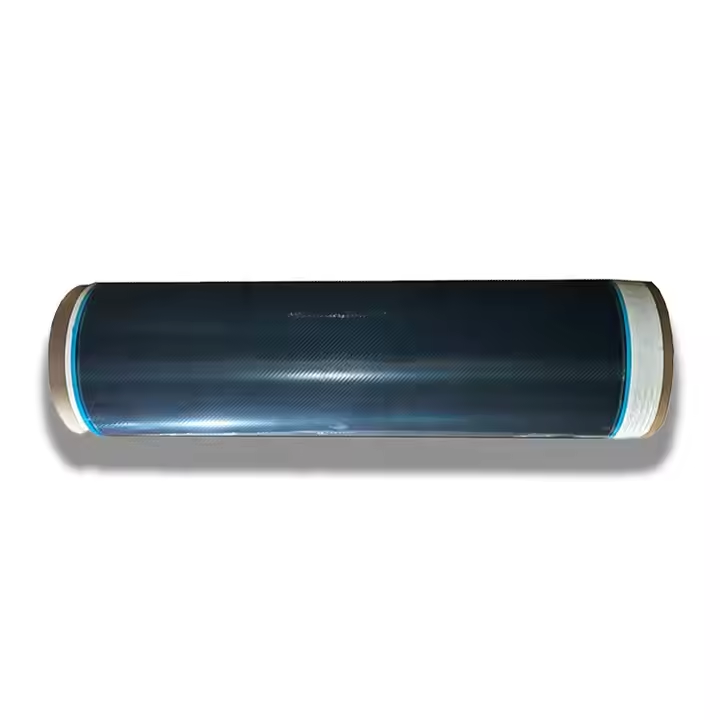
Epoxy resin plays a crucial role in aerospace engineering, where it helps form lightweight yet strong structures such as fuselage and wing panels. The resin’s strength and fatigue resistance ensure the reliability of these high-stress components. For instance, 3K Twill Carbon Fiber Fabric Epoxy Resin Prepreg provides defect-free surfaces vital for aerospace standards, enhancing both form and function.
Automotive: Driving Performance and Efficiency
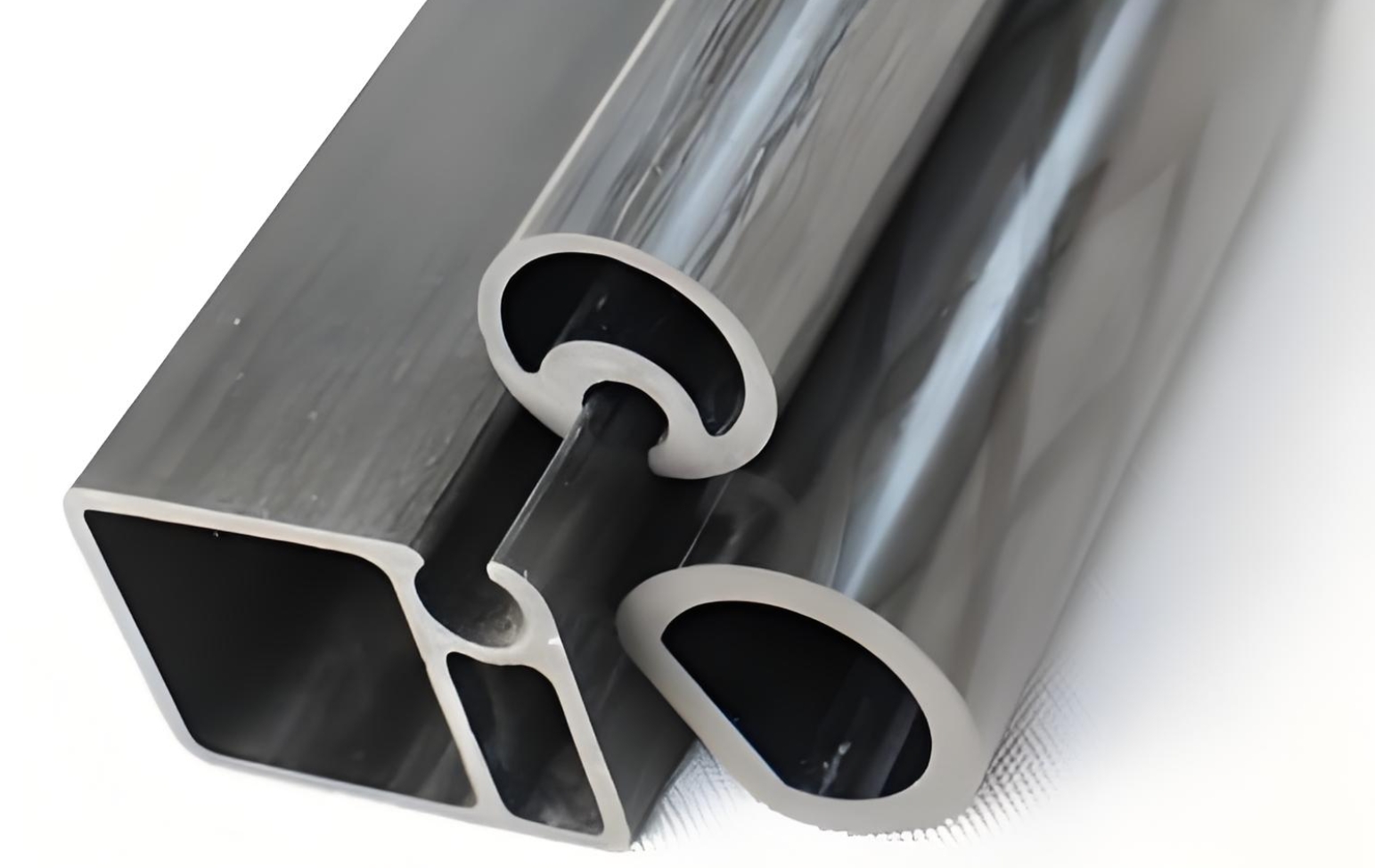
In the automotive industry, epoxy resin is essential for creating durable and lightweight vehicle components like body panels and structural frames. The integration of Special Section Pultruded Carbon Fiber Rod contributes to overall vehicle performance by minimizing weight while maintaining strength and stability.
Wind Energy: Powering Sustainability
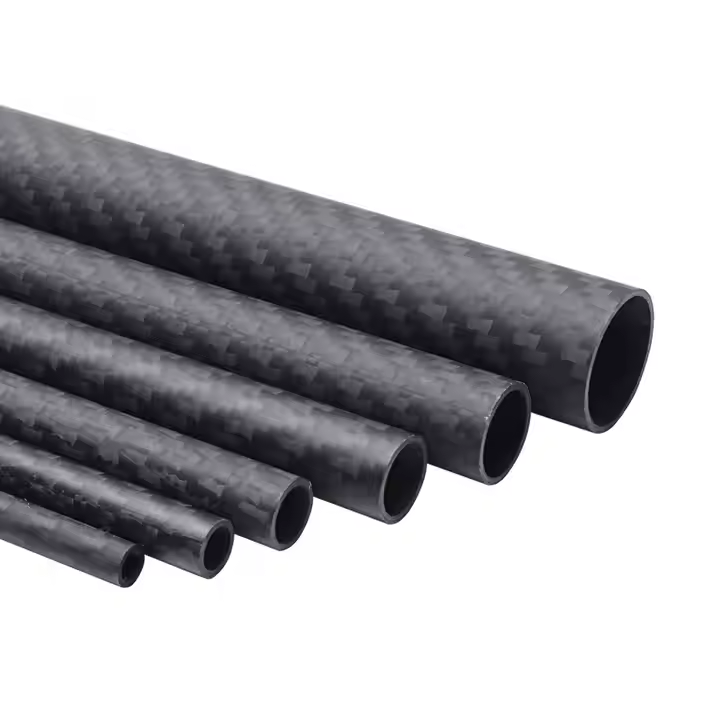
For wind energy, the durability and environmental resistance of epoxy resin make it indispensable for constructing turbine blades. The Customized Round CFRP Carbon Fiber Tube offers design versatility, crucial for optimizing performance under the demanding conditions faced by wind turbines.
Highlighted Epoxy Resin For Carbon Fiber Products
Discover leading epoxy resin for carbon fiber products trusted by manufacturers globally, available from Impact Materials.
Technical Specifications and Industry Standards
Mechanical Properties
- Tensile Strength: Reaching up to 700 MPa
- Modulus of Elasticity: Approximately 70 GPa
- Elongation at Break: 1.5-2.5%
- Fiber Volume Fraction: 60%
These properties, verified by ASTM D3039, ensure the material’s capability to endure substantial stresses, suitable for high-load applications.
International Compliance
Adherence to global standards like ISO 9001 and specialized materials certifications is essential. The ISO 14125 standard, for instance, outlines methodologies for assessing the flexural attributes of fiber-reinforced composites, guaranteeing quality and uniformity.
| Property | Epoxy Resin | Polyester Resin |
|---|---|---|
| Tensile Strength (MPa) | 700 | 500 |
| Modulus of Elasticity (GPa) | 70 | 45 |
| Thermal Stability (°C) | 150 | 100 |
| Elongation (%) | 2.0 | 2.5 |
For comprehensive insights and details on product sourcing, explore the extensive resources provided by Impact Materials Co., Ltd..
To learn more about how these innovative solutions can be applied to your specific industry needs, visit Impact Materials for epoxy resin for carbon fiber solutions.